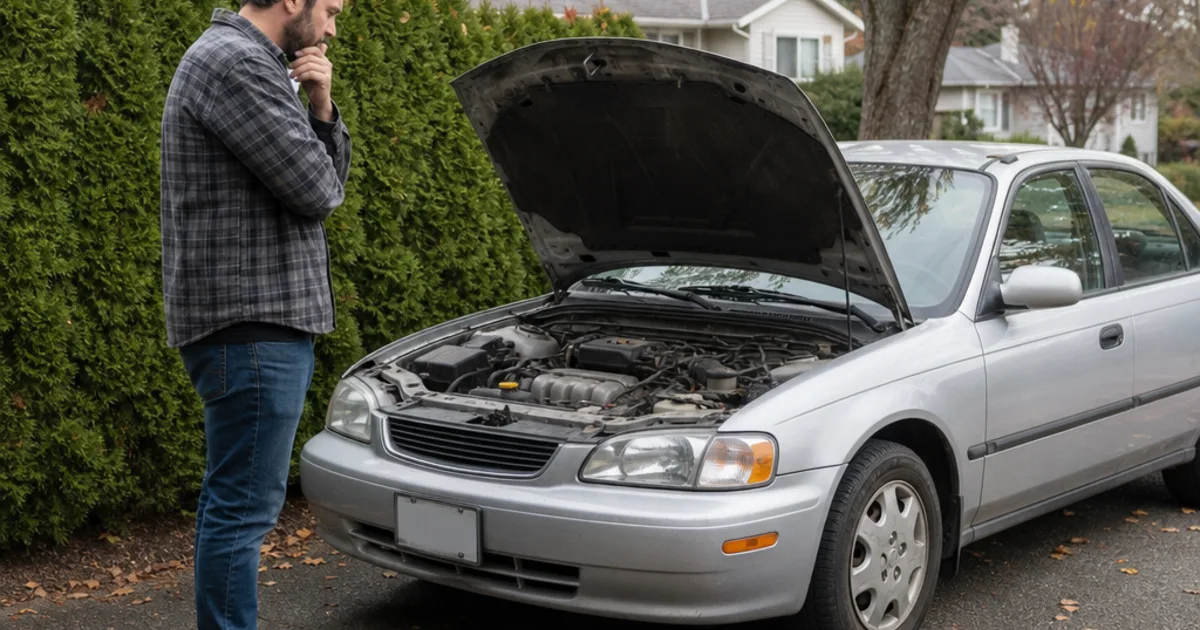
The car has been good to you. Then the mechanic calls with a repair estimate that makes you pause. You could fix it, but you've already paid for tires, brakes, and that mysterious warning light. At what point are you keeping a useful vehicle on the road—and at what point are you paying to avoid a decision?
There isn't a universal dollar amount that settles it. A repair can make sense even when it costs more than the car's resale value. Equally, a smaller repair can be the wrong choice if the vehicle no longer suits your life. The useful question is what you'll get back in dependable transport, not simply what you've already spent.
Start with the diagnosis, not the size of the bill
Ask the mechanic what the repair fixes and what it doesn't. A clearly identified problem on an otherwise sound car is different from the first item on a growing list. Find out whether there are separate safety concerns, significant corrosion, or other likely work that hasn't been included in the estimate.
If the diagnosis is uncertain or the job is substantial, consider a second opinion. Don't confuse that with shopping for someone willing to promise a cheaper fix. You want to understand the problem well enough to compare realistic options.
Compare the next year, not the last five
Money you've already spent won't come back because you authorize another repair. Put it aside for a moment and compare what keeping the car is likely to cost from today onward. Include known maintenance, the proposed work, and the disruption of another breakdown.
Then look honestly at the alternative. Buying another used car involves more than its advertised price: taxes, inspection costs, insurance differences, and immediate maintenance may all matter. Replacing a car with an unknown vehicle isn't automatically an upgrade in reliability.
- Would this repair leave you with a vehicle you can reasonably rely on?
- Are there other confirmed repairs coming soon?
- Does the car still fit your commute, family, or work needs?
- Can you manage the cost and inconvenience of another breakdown?
- What would a suitable replacement actually cost you?
Your need for the car changes the calculation
A second car used occasionally in Langley may be easy to live without. The vehicle you depend on to get to work before transit runs is a different matter. Reliability has a practical value that doesn't appear in a scrap quote or resale listing.
Be wary of making the decision on a frustrating day. A missed appointment can make any repair seem intolerable; a quiet week can make an unreliable car seem fine. Think about your normal month and how much flexibility you really have.
Get a removal offer before assuming it's worthless
A non-running car may still have reusable parts or recyclable metal. Get an offer based on its actual condition, and explain any missing components or serious damage. A running vehicle might also be suitable for a private sale rather than recycling. You don't have to label it 'scrap' before finding out your options.
When comparing offers, ask whether towing is included and whether the quoted amount depends on the vehicle matching your description. The figure that matters is what you receive after collection, not an eye-catching number without the details.
Make the decision you can explain
Try finishing this sentence: 'I'm choosing to repair or remove this car because…' A clear reason—an otherwise sound vehicle, unaffordable recurring work, or no longer needing a second car—is more useful than guilt about letting it go.
If you're considering removal, Cash For Scrap Cars Auto Removal Langley can discuss a cash offer with towing included. Call or text (604) 401-8046 with the year, make, model, condition, and pickup location. Asking for a quote doesn't commit you to a sale.